

If you’re asking, “Are cosmetic dentures worth it?” you’re probably not just thinking about replacing missing teeth—you’re thinking about confidence, comfort, and looking like yourself again. That’s a smart place to start, because the “worth it” part comes down to how dentures fit your face, your bite, and your lifestyle—not only the price tag.
At Natural and Cosmetic Dentistry in Clearwater, our team—Dr. Beata A. Carlson, Dr. Michael Thomas (“Dr. Mikey”), and Dr. Lewis Luo—often meets patients who’ve had dentures that felt bulky, looked “flat,” or didn’t stay put. Cosmetic dentures are designed specifically to solve those issues by focusing on details that many standard dentures overlook.
What are cosmetic dentures, exactly?
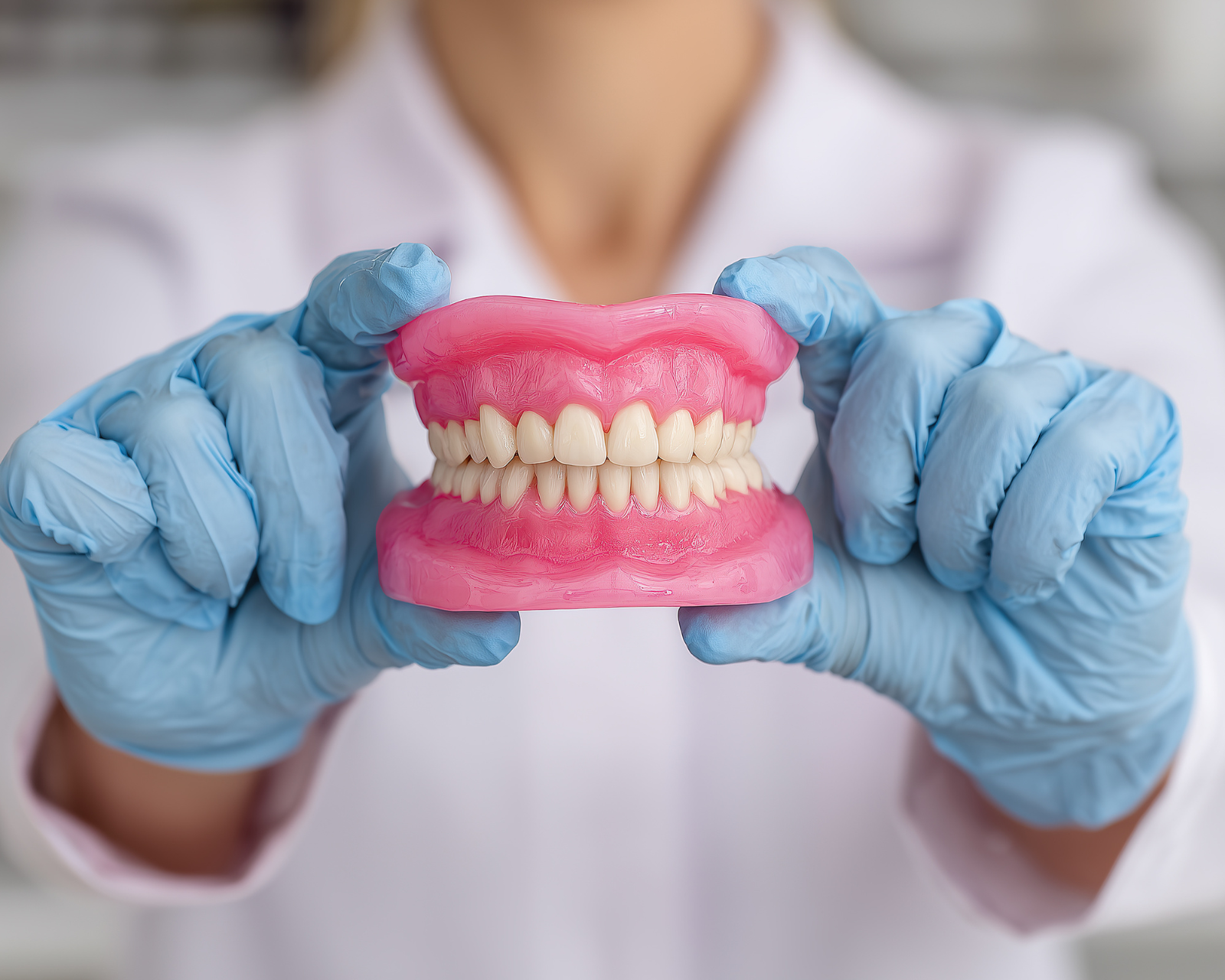
Cosmetic dentures are custom-made dentures that prioritize:
- Natural-looking tooth shape and translucency
- Balanced smile design (so your teeth match your facial features)
- Realistic gum appearance (not the one-tone “plastic pink” look)
- Better fit and bite harmony (comfort and function matter as much as aesthetics)
They can be full dentures (top, bottom, or both) or partial dentures (replacing several teeth while keeping your healthy natural teeth).
When cosmetic dentures are usually worth it
Cosmetic dentures tend to be worth the investment when you care about one or more of the following:
You want a smile that doesn’t look like “dentures”
Small design choices make a huge difference—like tooth length, slight natural asymmetry, and how the edges reflect light. Cosmetic dentures aim for a smile that looks believable in real life (not just in the mirror at home).
You’ve had uncomfortable dentures in the past
A denture can look great and still feel awful if the bite is off or the base doesn’t fit your anatomy well. Cosmetic dentures typically involve more careful planning around:
- jaw position and function
- lip support
- speech (phonetics)
- bite balance
You want to avoid the “sunken” look
Missing teeth affect facial support. A well-designed cosmetic denture can help restore more natural lip and cheek support—without looking puffy or overbuilt.
You need confidence for work, social life, or photos
Many patients choose cosmetic dentures because they want to feel comfortable talking, laughing, and eating in public again.
When cosmetic dentures might not be worth it
There are situations where spending more on cosmetics alone won’t fix the real problem:
If your main issue is looseness
Lower dentures, especially, can be challenging because of tongue movement and less suction. If stability is your top concern, you may be happier with:
- implant-retained dentures
- implant-supported dentures
- or a plan that improves fit + function first, then cosmetics
If your oral tissues are changing rapidly
Recent extractions, healing gum tissue, or significant bone changes can affect fit. In those cases, a staged plan may make more sense (temporary/immediate denture now, final cosmetic denture after healing).
If you don’t have the time for the “details”
Cosmetic dentures may require extra appointments for try-ins and adjustments to dial in the look and feel. If you need something fast, you may choose a simpler option now and upgrade later.
The real benefits patients notice with cosmetic dentures
Here’s what patients commonly report when cosmetic dentures are planned well:
- More natural smile line (teeth don’t look too short, too even, or “copy-paste”)
- Better speech (less clicking, fewer “S” and “F/V” issues)
- Improved comfort from a more balanced bite
- More confidence because the denture looks like it belongs to them
What drives the cost (and the value)
If you’re weighing cost vs. value, these are the factors that typically matter most:
1) Materials and tooth quality
Higher-end denture teeth can look more lifelike and resist wear better. The goal is not “luxury,” it’s realism and durability.
2) Customization time
Cosmetic dentures often include more detailed measurements and design steps—especially around lip support, midline, and smile arc.
3) Bite and function planning
A denture that looks good but causes sore spots or jaw strain isn’t worth it. More planning here usually means fewer long-term frustrations.
4) The “try-in” stage
A proper try-in lets you preview shape, shade, and positioning before the final is made. That’s where a lot of “worth it” comes from.
A quick self-check: Are cosmetic dentures worth it for you?
Ask yourself:
- Do I want my dentures to look natural up close?
- Am I unhappy with the look of my current dentures (shape, color, gum appearance)?
- Do I care about lip support and facial balance?
- Am I willing to do a few extra steps to get the result dialed in?
- Is comfort and a stable bite just as important as appearance?
If you’re nodding yes to most of these, cosmetic dentures are often a good investment.
Cosmetic dentures vs. implant dentures: which is better?
They’re different solutions for different goals:
- Cosmetic dentures = best when aesthetics + fit are the priority and you prefer a removable option
- Implant-retained dentures = best when you want a removable denture that snaps in more securely
- Implant-supported dentures = best when you want maximum stability (often feels closer to fixed teeth)
A lot of patients do a blended approach: improve stability first (if needed), then refine the cosmetics.
How to care for cosmetic dentures so they stay beautiful
Cosmetic dentures look best when they’re clean, polished properly, and the gums underneath stay healthy.
Daily basics
- Clean dentures gently every day (avoid overly abrasive scrubbing)
- Remove at night if recommended, and soak as directed
- Brush your gums, tongue, and palate to support a healthier oral environment
If you have remaining natural teeth
Choose gentle oral-care products that won’t irritate tissues or dry out the mouth.
In our office, many patients prefer clean, non-harsh formulas—especially if they’re prone to sensitivity. For example, fluoride-free toothpaste and alcohol-free mouthwash can be more comfortable for some people, and products with ingredients like nano-hydroxyapatite are often used to support enamel on natural teeth.
If you like an all-in-one routine, some patients use a simple “system” approach at home (toothpaste + rinse + targeted gum support).
FAQs about cosmetic dentures
Do cosmetic dentures look fake?
They can—but high-quality cosmetic dentures are specifically designed to look natural by using better tooth anatomy, realistic gum contours, and a smile design that matches your face.
Will cosmetic dentures feel more comfortable?
They often do, especially if the bite is balanced carefully. Comfort depends on fit, bite alignment, and how your mouth is healing or changing.
How long do cosmetic dentures last?
It varies. Dentures generally need relines, adjustments, and eventually replacement as the mouth changes over time. Your habits (clenching, grinding), fit, and maintenance matter a lot.
Can cosmetic dentures help me look younger?
They can help restore natural facial support and smile fullness. The key is proper support without overbuilding—that’s where careful planning really matters.
Bottom line: are cosmetic dentures worth it?
Cosmetic dentures are worth it when you want your smile to look natural, feel comfortable, and fit your face—not just fill space. If you’ve had dentures that looked “off,” felt unstable, or didn’t match your features, the upgrade is often less about vanity and more about quality of life.
If you’re considering cosmetic dentures in Clearwater, Dr. Beata Carlson, Dr. Mikey (Dr. Michael Thomas), and Dr. Lewis Luo can help you compare options—standard dentures, cosmetic dentures, and implant-supported solutions—so you can choose what truly fits your goals.
Call our office:727-888-6523
Visit us: 1825 Sunset Point Road, Clearwater, FL
