
Root Canals and Overall Health: What Patients Should Know Before Making a Decision
If you’ve been told you need a root canal, or you already have one and wonder if it could be affecting your body, you are asking a fair question. Root canals and overall health are often discussed online in dramatic ways, which can leave patients feeling anxious, confused, or rushed into a decision.
At Natural and Cosmetic Dentistry in Clearwater, FL, we take a calmer and more thoughtful approach. A root canal is not automatically “bad,” and tooth removal is not automatically “better.” What matters is the condition of the tooth, the presence of infection, your symptoms, your immune health, your long-term goals, and the materials and methods used in your care.
Our holistic dental team, including Dr. Beata Carlson, Dr. Michael “Dr. Mikey” Thomas, and Dr. Lewis Luo, looks at more than one tooth on an X-ray. We look at the mouth as part of the whole body.
Why Root Canals and Overall Health Are Connected
A root canal is usually recommended when the soft inner tissue of a tooth becomes infected, inflamed, or no longer alive. This can happen from deep decay, trauma, cracks, repeated dental work, or a large cavity that reaches the nerve.
The goal of root canal treatment is to remove infected tissue, clean the canals inside the tooth, seal the space, and preserve the tooth so you can continue chewing normally. For many patients, this can relieve pain and help avoid immediate tooth removal.
The whole-body concern usually comes from a different question: What happens if infection remains, returns, or hides around a treated tooth?
That is where root canals and overall health become worth discussing. Chronic dental infection can contribute to inflammation in the mouth. In some cases, oral bacteria and inflammatory signals may place additional stress on the body. From a holistic dentistry perspective, we want to know whether a tooth is truly stable, comfortable, and compatible with your health—not just whether it looks acceptable on a basic X-ray.
Signs a Root Canal Tooth May Need a Closer Look
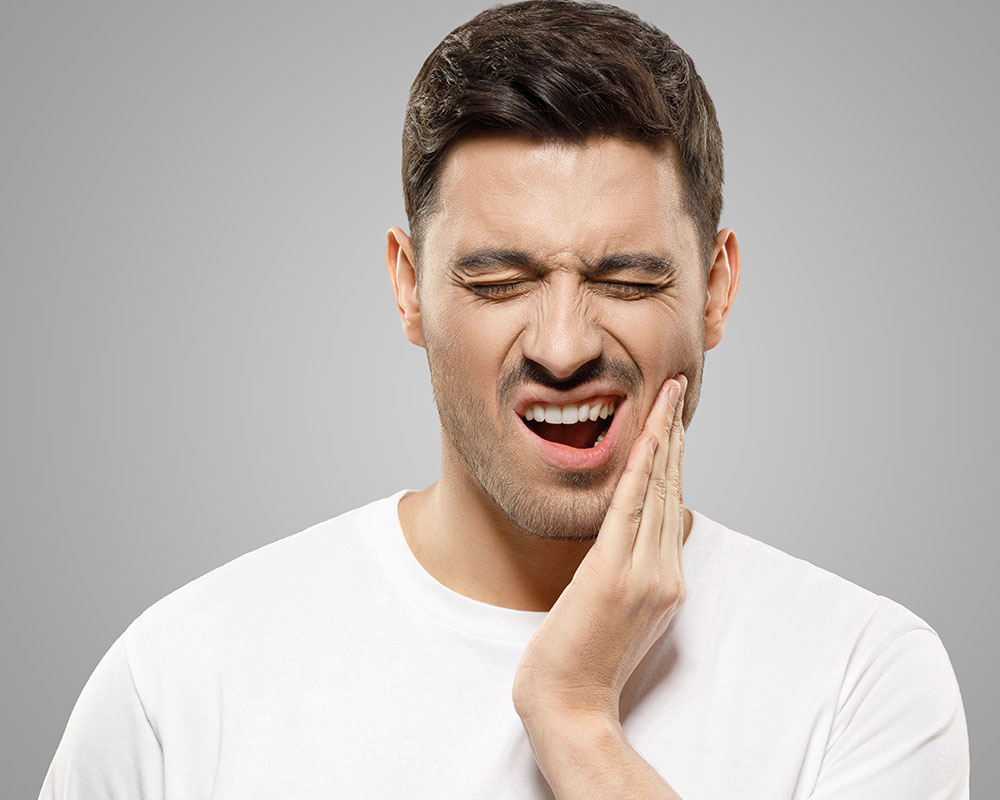
Not every root canal tooth causes problems. Many people have root canal treated teeth for years without obvious symptoms. But if something feels off, it is worth having the tooth evaluated instead of ignoring it.
Possible signs of a root canal problem may include:
- Lingering pain or pressure around the treated tooth
- Tenderness when biting or chewing
- Gum swelling, a pimple-like bump, or drainage near the tooth
- A bad taste or odor that keeps returning
- Darkening of the tooth or gum changes
- Sinus pressure on one side, especially near upper back teeth
- Jaw soreness near the treated tooth
- Swelling in the face, jaw, or neck
- A tooth that “just doesn’t feel right”
If you have fever, facial swelling, trouble swallowing, or rapidly increasing pain, that may be urgent. Please call a dentist right away.
What Can Cause Problems After a Root Canal?
A root canal tooth can become uncomfortable or infected for several reasons. Sometimes the original infection was severe. Sometimes a tooth has tiny side canals or complex anatomy that is difficult to fully clean. Sometimes a crown or filling leaks over time and allows bacteria to re-enter. In other cases, the tooth may crack under bite pressure.
Possible causes include:
- Deep or recurring decay
- A leaking crown or filling
- Missed or unusually shaped canals
- A fracture in the root or tooth structure
- Gum disease around the tooth
- Bite stress or clenching
- Infection at the root tip
- A previous root canal that is failing
This is why a root canal second opinion can be helpful. The question is not only, “Was a root canal done?” The better question is, “Is this tooth healthy, sealed, comfortable, and stable now?”
A Holistic View of Root Canals and Overall Health
Holistic dentistry does not mean making fear-based decisions. It means asking better questions.
At our Clearwater practice, we consider:
- Is there active infection?
- Is the tooth painful, swollen, or draining?
- What does imaging show?
- Is the bite putting too much pressure on the tooth?
- Are there signs of bone changes around the root?
- Does the patient have chronic inflammation or immune challenges?
- Are the materials used in treatment compatible with the patient?
- Are there safer or more conservative options available?
For some patients, monitoring a stable root canal tooth may be appropriate. For others, retreatment, surgical endodontic care, or tooth removal may be part of the conversation. The right answer depends on the individual.
That is the heart of holistic dentistry: personalized care, biocompatible thinking, and respect for the connection between oral health and whole-body wellness.
Do You Always Need a Root Canal If the Tooth Hurts?
No. Tooth pain does not always mean you need a root canal. Sensitivity can come from gum recession, bite stress, a cracked filling, enamel wear, sinus pressure, or an irritated nerve that may still recover.
This is one reason we do not like rushed decisions. If the tooth can be preserved with a more conservative treatment, that may be the better path. In some cases, biomimetic dentistry may help restore and protect a damaged tooth while preserving more natural tooth structure.
However, if the nerve is infected or the tooth is abscessed, waiting too long can allow the infection to worsen. The goal is to identify the real cause early so you can make a clear, informed choice.
What to Expect During a Holistic Root Canal Evaluation
A holistic evaluation is not just a quick glance at one tooth. We want to understand the full picture.
Your visit may include:
A conversation about your symptoms
We’ll ask when the discomfort started, what triggers it, whether you’ve had previous treatment, and whether you’re dealing with other health concerns that may affect healing.
Digital imaging when needed
X-rays or 3D imaging may help us evaluate bone changes, infection, root shape, tooth structure, and previous dental work.
Bite and tooth testing
A tooth may be tested for cold sensitivity, pressure, percussion, mobility, and bite stress. These clues help us understand whether the nerve, ligament, bone, or restoration may be involved.
A discussion of your options
You should never feel pushed into a procedure without understanding the pros and cons. We’ll explain what we see and what choices may fit your goals.

Holistic Treatment Options If You Are Concerned About Root Canals and Overall Health
The best treatment depends on whether you are trying to save a tooth, evaluate an existing root canal, or replace a tooth that cannot be predictably restored.
Option 1: Conservative treatment when the nerve can still heal
If the tooth is irritated but not infected beyond repair, we may discuss conservative options to protect the tooth and calm the area. This could include replacing a leaking filling, adjusting the bite, placing a protective restoration, or using minimally invasive techniques where appropriate.
Option 2: Root canal treatment or retreatment
For some teeth, root canal treatment may still be discussed as a tooth-preserving option. If a previous root canal is failing, retreatment may be possible depending on the tooth structure, infection, and restoration.
Option 3: Holistic tooth extraction
If a tooth is severely infected, cracked, painful, or not restorable, removal may be the healthier option. When extraction is needed, our office may use biologic techniques such as ozone therapy and PRF for tooth extraction to support a cleaner surgical site and natural healing.
Option 4: Biocompatible tooth replacement
If a tooth is removed, we’ll also talk about replacement options. Leaving a space can affect your bite, chewing, and neighboring teeth. Depending on your case, options may include a metal-free bridge, partial denture, or dental implant. Some patients also ask about biocompatibility testing when choosing materials.
What About Cost?
Cost depends on the tooth, imaging needed, whether the tooth can be saved, whether retreatment is possible, and how the tooth would be restored or replaced. A simple filling, root canal, crown, extraction, PRF-supported healing, bridge, or implant plan can all vary.
Our team can review your options before treatment begins so you understand the clinical recommendation and the financial side. The most expensive path is often waiting until a small problem becomes an emergency.
Preventing Deep Tooth Infections Before They Start
The best root canal conversation is the one you never have to have. Prevention matters.
To lower the risk of deep decay and infection, we recommend:
- Regular exams and holistic dental cleanings
- Early treatment of cavities before they reach the nerve
- A mineral-supportive diet
- Better saliva support if your mouth feels dry
- Checking old fillings and crowns for leakage
- Addressing clenching, grinding, and bite stress
- Gentle, consistent home care
For patients who prefer cleaner oral care products, Natural Smile Essentials Whitening Toothpaste uses nano-hydroxyapatite for enamel support, while Nano Silver Mouthwash offers an alcohol-free rinse designed to support a fresher, more balanced mouth. For a complete daily routine, the Essential Smile System includes toothpaste, mouthwash, and Oral Renew drops.
FAQ:
Can root canals affect your overall health?
A properly treated, stable tooth may not cause problems for many patients. However, an untreated infection, failing root canal, cracked tooth, or persistent abscess can add inflammation and bacterial stress to the body. If you have symptoms or health concerns, it is worth having the tooth evaluated.
Are root canals dangerous?
Root canals are considered a standard dental treatment, and many patients do well with them. From a holistic perspective, we look more closely at each patient’s health history, symptoms, tooth condition, materials, and long-term risks before making a recommendation.
How do I know if an old root canal is infected?
Warning signs can include pain, swelling, a gum bump, drainage, bad taste, pressure when biting, or changes around the root on imaging. Some infections can be quiet, which is why evaluation matters if you are concerned.
Can a tooth infection affect the rest of the body?
Oral infections can contribute to inflammation and may affect overall wellness, especially if infection is chronic or untreated. The mouth is not separate from the body, which is why dental infections should be taken seriously.
Should I remove every root canal tooth?
No. Removing every root canal tooth without proper evaluation is not a balanced or personalized approach. Some root canal teeth may be stable. Others may need treatment or removal. The decision should be based on symptoms, imaging, health history, and the condition of the tooth.
What are holistic alternatives to a root canal?
Depending on the tooth, options may include conservative restoration, monitoring, retreatment, holistic extraction with biologic healing support, or tooth replacement with a biocompatible option such as a ceramic implant or metal-free bridge.
Is tooth extraction healthier than a root canal?
Not always. Extraction removes the tooth and the source of infection, but it also creates the need to heal properly and replace the missing tooth when appropriate. A root canal preserves the tooth but may not be ideal in every case. The healthier choice depends on your situation.
Can ozone help with root canal concerns?
Ozone may be used in holistic dentistry to support disinfection and healing in certain procedures. Whether it is appropriate depends on the diagnosis and treatment plan.
What should I do if my dentist says I need a root canal?
Ask why the root canal is recommended, whether the nerve is infected or inflamed, what imaging shows, and what alternatives exist. If you feel unsure, a second opinion can help you make a more confident decision.
When should I call the office?
Call if you have tooth pain, swelling, a gum bump, pressure when biting, a bad taste, a cracked tooth, or concerns about an existing root canal. You can also schedule a consultation before agreeing to treatment elsewhere.
Get a Thoughtful Opinion on Root Canals and Overall Health in Clearwater
You do not have to make a dental decision from fear, pressure, or confusing online opinions. If you are worried about root canals and overall health, our team at Natural and Cosmetic Dentistry can help you understand what is happening, what your options are, and what path best supports your mouth and whole-body wellness.
Whether you need pain relief, a second opinion, or a holistic plan for an existing root canal tooth, we are here to help you move forward with clarity.
