
The term root canal evokes fear and anxiety in many people, and for good reason. Many patients ask, are root canals bad for your health, especially when they are already dealing with pain, infection, or the stress of making a treatment decision. While root canals are often intended to preserve your natural tooth by removing infected pulp, they have a deeper side that raises concern in holistic dentistry. The issue is not just oral health, but overall wellness.
Root Canal Basics
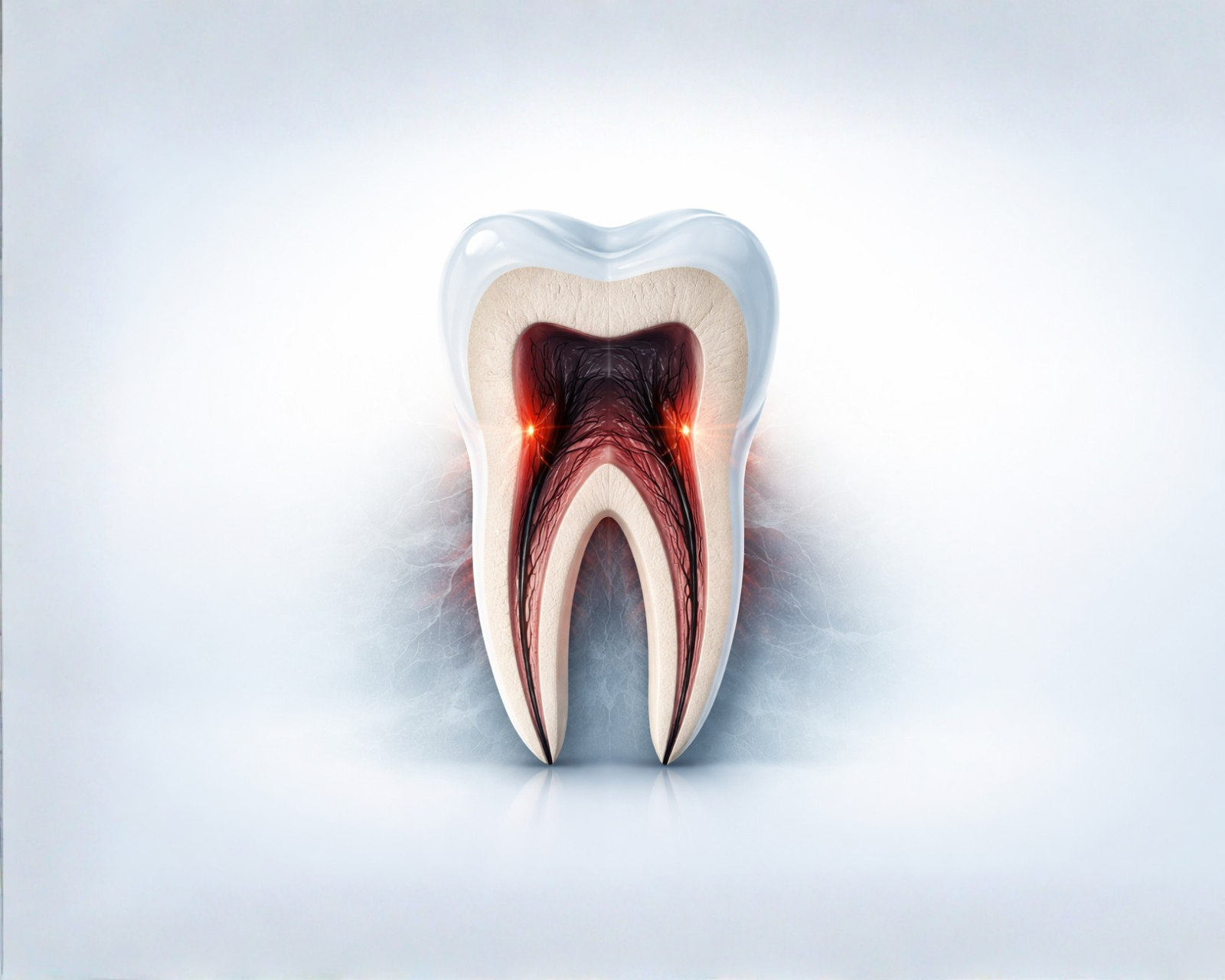
A root canal drills into the tooth, removes the nerve and decay, then cleans and seals the canals. In theory, this stops pain and eliminates infection. Millions undergo this procedure believing it fully resolves the issue. However, even with modern techniques, complete sterilization is not always achievable.
That is one reason the question are root canals bad for your health continues to come up in holistic and biologic dentistry. The concern is not simply about the procedure itself, but about what may remain inside the tooth afterward.
Are Root Canals Bad for Your Health Because of Hidden Bacteria?
Dentists often state that bacteria can be fully removed, yet research shows many microbes remain in areas that instruments and irrigants cannot reach. Up to 50 percent of bacteria may persist after treatment.
This is largely due to the complex anatomy of the tooth. Microscopic dentinal tubules and apical regions create spaces where bacteria and necrotic tissue can remain protected. Studies indicate that current root canal procedures may be inadequate in fully eliminating these intra-canal infections.
Once sealed, the tooth becomes an oxygen-free environment where anaerobic bacteria can thrive. These bacteria can produce toxins that move into surrounding tissues and potentially enter the bloodstream. Even well-done root canals can develop issues over time due to microleakage or residual bacteria within the tooth structure.
Because this process can unfold slowly, symptoms may not appear for years, making the connection difficult to identify. What remains is a devitalized, semi-permeable structure that can continue to harbor bacteria internally.
If you are currently dealing with a tooth that has been recommended for a root canal, this is the point to pause and explore all options.

Why Are Root Canals Bad for Your Health in Some Cases?
A strong immune system may help manage bacterial load, but if the body becomes compromised, these hidden sources of infection can become more concerning. Chronic oral infections have been associated with systemic inflammation and may affect broader areas of health.
Chronic inflammation may also influence immune balance, energy, and how the body responds to stress. Holistic dentistry recognizes the mouth as part of an interconnected system, not something separate from the rest of the body. This is why many patients asking are root canals bad for your health are not just thinking about saving a tooth. They are thinking about long-term wellness.
For patients who value a biologic approach, the goal is to reduce unnecessary burden on the body whenever possible. That includes looking closely at whether a compromised tooth is truly the best tooth to keep.
A Holistic View of Root Canal Alternatives
Though saving a natural tooth may seem ideal, it is not always the most predictable choice long term. A root-canaled tooth remains devitalized and capable of harboring bacteria within its structure. In contrast, a properly placed biocompatible replacement such as a zirconia implant does not carry this same internal bacterial burden.
For this reason, many patients choose extraction to fully remove the source of infection, followed by options like implants, bridges, or partial dentures. These approaches aim to restore function while reducing long-term biological risk.
At Natural and Cosmetic Dentistry in Clearwater, treatment recommendations are personalized. We look at the condition of the tooth, your symptoms, your overall health picture, and your priorities before discussing next steps. In some cases, preserving the tooth may still be considered. In others, removing the source of chronic infection may better support whole-body health.
What Patients Should Consider Before Saying Yes to a Root Canal
If you have been told you need a root canal, it helps to slow down and ask a few important questions:
- Is the tooth restorable in a predictable way?
- Is there evidence of long-standing infection?
- Are you dealing with immune issues, chronic inflammation, or other health concerns?
- Would a biologic replacement option be a better long-term fit?
- Have all treatment options been clearly explained to you?
These are important conversations to have before moving forward. In holistic dentistry, informed decision-making matters. The question is not only whether the tooth can be treated, but whether that treatment supports your health in the broader sense.
A Whole-Body Approach to Dental Decisions
For those prioritizing whole-body health, a more comprehensive evaluation may be a more reliable path forward. That said, every case is unique. If this perspective is not the right fit, that is completely okay. This information is here for those exploring holistic options and asking deeper questions about their care.
These solutions can allow you to maintain function and appearance without overlooking the bigger picture. If you have been wondering are root canals bad for your health, the best next step is to have your tooth evaluated through a holistic lens so you can make a decision with clarity.
Natural and Cosmetic Dentistry in Clearwater offers personalized, biologic treatment planning for patients throughout Clearwater and the Tampa Bay area.
