

Essential Oils for Oral Care: Benefits, Safety, and How to Use Them
Essential oils for oral care can be helpful for fresher breath, gum comfort, and a cleaner-feeling mouth—but they need to be used carefully. These oils are highly concentrated, which means “natural” does not automatically mean safe to apply directly to your gums or teeth. At Natural and Cosmetic Dentistry in Clearwater, Florida, our team helps patients choose oral care routines that support the mouth, protect the oral microbiome, and fit into a whole-body approach to wellness.
Used correctly, certain essential oils may support a healthier oral environment. Used incorrectly, they can irritate soft tissue, burn the gums, or make sensitivity worse. The key is knowing which oils are commonly used in oral care, how to dilute them, and when a dental evaluation is the better first step.
Why Use Essential Oils for Oral Care?
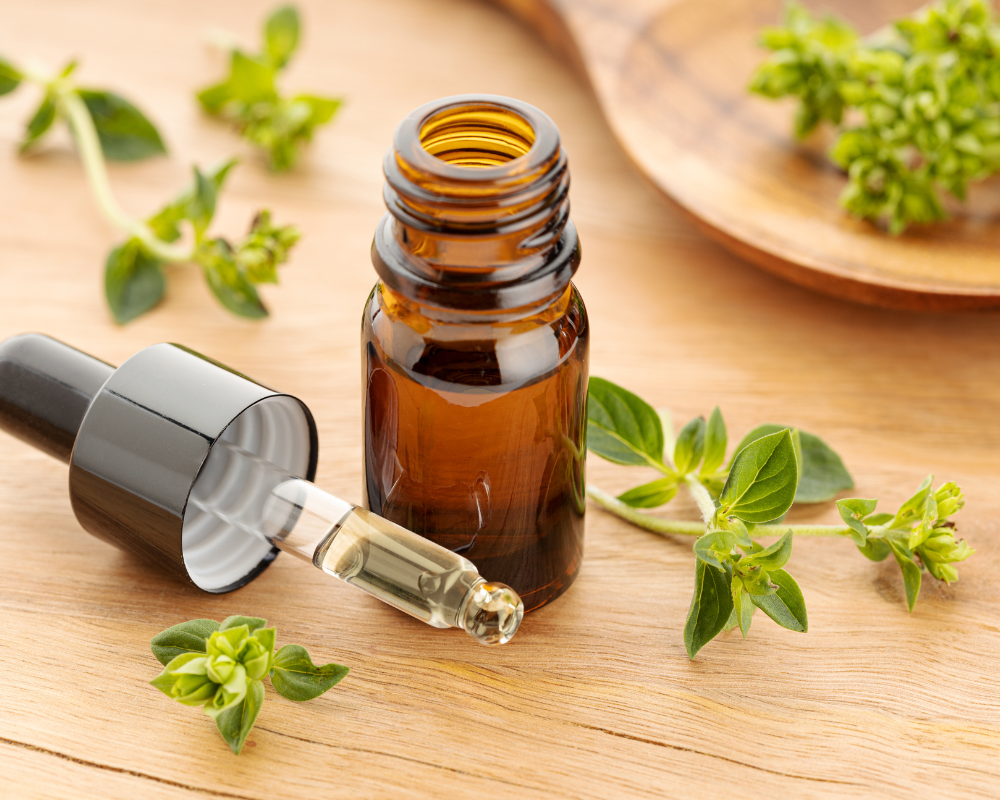
Essential oils are concentrated plant extracts often used for their refreshing, aromatic, antimicrobial, and soothing properties. In oral care, they are usually used in very small amounts and properly diluted in products such as rinses, toothpaste, oil-pulling blends, or targeted gum-support formulas.
Patients often look into essential oils for oral care because they want a more natural routine that may help with:
- Bad breath
- Gum irritation
- A cleaner mouthfeel
- Occasional gum tenderness
- Plaque-related concerns
- A more holistic alternative to harsh rinses
- Oral care products without alcohol, dyes, or synthetic additives
Essential oils are not a replacement for dental cleanings, periodontal care, cavity treatment, or a diagnosis. If your gums bleed often, your breath does not improve, or you have tooth pain, those symptoms should be checked by a dentist.
For patients who want a more complete wellness-based approach, our team may also recommend services such as Holistic Dental Cleanings or Airflow Dental Cleaning to remove biofilm more thoroughly while keeping comfort in mind.
Best Essential Oils for Oral Care
Not every essential oil belongs in the mouth. The oils below are among the most commonly used in natural oral care formulas, but they should still be diluted and used appropriately.
Tea Tree Oil for Oral Care
Tea tree oil is often used in oral care because of its strong antimicrobial and antifungal properties. It may help reduce bacteria associated with plaque, gum irritation, and bad breath when used in a properly formulated product.
Tea tree oil should not be swallowed, and it should not be applied directly to the gums undiluted. If you are prone to sensitivity, start cautiously or choose a professionally formulated rinse or gum-support product instead of making your own mixture.
Peppermint Oil for Fresh Breath
Peppermint oil is one of the most familiar essential oils for oral care because it leaves a cool, fresh feeling. It may help reduce odor-causing bacteria and make the mouth feel cleaner after brushing.
Peppermint can feel strong for some patients, especially those with dry mouth, burning mouth symptoms, ulcers, or sensitive gum tissue. A gentler mint blend or a diluted formula may be a better fit.
Spearmint Oil for Sensitive Mouths
Spearmint oil has a softer flavor than peppermint and is often easier for sensitive mouths to tolerate. It can still support fresh breath and a clean mouthfeel without feeling as intense.
If you like mint but find many natural oral care products too sharp, spearmint-based products may be a more comfortable option.
Clove Oil for Occasional Tooth or Gum Discomfort
Clove oil has a long history in dentistry because it contains eugenol, a compound known for its soothing and antiseptic qualities. Some people use clove oil for occasional tooth or gum discomfort, but it should be used with caution.
Pain is a warning sign. Clove oil may temporarily dull discomfort, but it will not fix a cracked tooth, infection, cavity, gum abscess, or bite issue. If you have tooth pain, swelling, or pain that keeps returning, schedule an evaluation instead of relying on home care.
Cinnamon Oil for Oral Freshness
Cinnamon oil has a warm flavor and antimicrobial qualities, but it can also be irritating if too concentrated. It should be used only in very small amounts and properly diluted.
Patients with sensitive gums, mouth sores, or a history of reactions to cinnamon flavoring should be especially careful.
Eucalyptus Oil for a Clean Mouthfeel
Eucalyptus oil is often used in oral care because it may help with plaque-related bacteria and breath freshness. It can create a crisp, clean sensation, but like other essential oils, it should be diluted and should not be swallowed.
Oregano, Thyme, and Wintergreen Oils
Oregano and thyme oils are very potent and may be too strong for many DIY oral care routines. Wintergreen has a classic dental flavor, but it contains methyl salicylate and should be used carefully, especially for people who are pregnant, taking blood thinners, sensitive to aspirin, or using products for children.
These oils are best used in professionally formulated products rather than guessed-at home mixtures.
How to Use Essential Oils for Oral Care Safely
Essential oils are powerful. More is not better. For oral use, safety matters just as much as the ingredient itself.
Always Dilute Essential Oils
Never apply essential oils directly to your gums, tongue, or cheeks without dilution. A carrier oil, oral care formula, or professionally made product helps reduce the risk of irritation.
Do Not Swallow Essential Oils
Even when diluted, essential oils should not be swallowed. Spit out oil-pulling blends, rinses, or any product not specifically meant to be ingested.
Avoid Essential Oils for Young Children Unless Approved
Children are more sensitive to concentrated oils. Always ask your child’s dentist or pediatric provider before using essential oils in a child’s oral care routine.
Be Careful During Pregnancy or With Medical Conditions
If you are pregnant, nursing, taking medications, managing a medical condition, or have allergies, ask a healthcare professional before using essential oils orally.
Stop If You Feel Burning or Irritation
A mild cooling feeling is different from burning, stinging, swelling, or tissue irritation. If a product causes discomfort, stop using it and rinse with water.
Essential Oils for Oral Care and Oil Pulling
Oil pulling is a traditional practice that involves swishing oil in the mouth, usually for several minutes, then spitting it out. Some people add a tiny amount of essential oil to coconut, sesame, or another carrier oil.
If you use essential oils for oil pulling, keep it simple and gentle. Do not swish aggressively, and do not use oil pulling as a replacement for brushing, flossing, or dental cleanings.
A safer option is to use a product already designed for oral tissues. Oral Renew Drops from Natural Smile Essentials are formulated as a concentrated botanical blend for gum support, fresh breath, and oral microbiome balance. The formula includes essential oils and botanicals intended for targeted use, oil pulling support, or daily oral comfort.

Oil Pulling
Add 1–2 drops of an essential oil like clove or peppermint to a tablespoon of coconut oil. Swish in your mouth for 10–15 minutes, then spit out (never swallow). This practice helps remove toxins and harmful bacteria from the mouth.
Office favorite tip: Many patients prefer using Oral Renew Drops for oil pulling because it’s already formulated as a concentrated botanical blend for gum support and fresh breath.

DIY Mouthwash
Mix a few drops of tea tree, peppermint, or eucalyptus oil with distilled water and a pinch of sea salt to create a natural antibacterial rinse. Shake before each use and swish for 30 seconds to a minute.
If you want the convenience of a ready-to-use rinse, our Natural Smile Essentials Nano Silver Mouthwash is alcohol-free and combines botanical freshness with antimicrobial support—gentle enough for daily use, even for sensitive mouths.

Toothpaste Add-In
Add a drop of clove or cinnamon oil to your natural toothpaste for an extra antimicrobial boost.
For a simple daily option, our Natural Smile Essentials Whitening Toothpaste is fluoride-free and formulated to gently brighten while supporting enamel with nano-hydroxyapatite—great for patients who want a cleaner ingredient profile without harsh additives.
When Essential Oils Are Not Enough
Essential oils for oral care can support a healthy routine, but they should not be used to cover up symptoms that need treatment.
Contact a dentist if you notice:
- Bleeding gums
- Persistent bad breath
- Gum swelling
- Loose teeth
- Tooth pain
- A pimple-like bump on the gum
- Receding gums
- Sores that do not heal
- Sensitivity that is getting worse
- A bad taste that keeps coming back
These symptoms may point to gum disease, infection, decay, bite problems, dry mouth, or other issues that need a professional diagnosis.
At Natural and Cosmetic Dentistry, we look at oral symptoms through a whole-body lens. That may include gum evaluation, biofilm removal, periodontal support, biocompatible material choices, and home care recommendations that fit your needs.
For deeper gum concerns, you may also benefit from learning about Laser Assisted Gum Disease Treatment, The Perio Protect System, or Ozone Therapy for Gum Disease.
A Holistic Dentist’s Approach to Essential Oils for Oral Care
A holistic approach does not mean replacing dental care with home remedies. It means choosing products, treatments, and routines that support the mouth while respecting the rest of the body.
Dr. Beata Carlson and the team at Natural and Cosmetic Dentistry often help patients evaluate oral care ingredients, sensitivity concerns, gum symptoms, and product choices. For some patients, essential oils may be a helpful part of a natural routine. For others, the priority may be calming inflammation, treating gum infection, improving brushing technique, or choosing less irritating products.
If you are unsure which products are right for your mouth, bring them to your next visit. We can help you understand what supports your goals and what may be too harsh for your teeth or gums.

FAQs About Essential Oils for Oral Care
Are essential oils safe to use in your mouth?
Essential oils can be used in oral care when they are properly diluted and formulated for the mouth. They should not be swallowed or applied directly to the gums undiluted.
What are the best essential oils for oral care?
Common essential oils for oral care include tea tree, peppermint, spearmint, clove, cinnamon, eucalyptus, thyme, and oregano. The best choice depends on your sensitivity, goals, and whether the oil is used in a safe oral care formula.
Can essential oils help with bad breath?
They may help freshen breath and reduce odor-causing bacteria, especially when used in toothpaste, mouthwash, or diluted oil-pulling blends. If bad breath keeps returning, it may be caused by gum disease, decay, dry mouth, tonsil stones, or digestive issues.
Can I put essential oils directly on my gums?
No. Essential oils should not be placed directly on the gums without dilution. Undiluted oils can burn or irritate oral tissue.
Can clove oil fix a toothache?
Clove oil may temporarily soothe discomfort, but it does not treat the cause of a toothache. Tooth pain should be evaluated because it may come from decay, infection, a cracked tooth, gum disease, or bite trauma.
Is tea tree oil good for gums?
Tea tree oil has antimicrobial properties and may support gum health when used in a safe, properly diluted oral care product. It should never be swallowed.
Can I make my own essential oil mouthwash?
You can, but it is easy to make the mixture too strong. If you have sensitive gums, dry mouth, sores, pregnancy concerns, allergies, or medical conditions, a professionally formulated alcohol-free rinse is usually the safer choice.
Do essential oils replace flossing or dental cleanings?
No. Essential oils may support oral hygiene, but they do not replace brushing, flossing, professional cleanings, or periodontal treatment when gum disease is present.
Get Personalized Help With Natural Oral Care
Essential oils for oral care can be a smart addition to your routine when they are chosen carefully, diluted properly, and used for the right reasons. They can support fresh breath, gum comfort, and a cleaner mouthfeel—but they should not be used to hide pain, bleeding, swelling, or symptoms that need dental care.
At Natural and Cosmetic Dentistry in Clearwater, Florida, we help patients build oral care routines that feel natural, effective, and aligned with whole-body health. If you want help choosing safer products or understanding what your symptoms mean, our team is here to guide you.
