Dental Implants Improve Enhance Compliment Upgrade Your Smile
Zirconium Dental Implants Restoration to replace missing teeth in Clearwater, FL
If you’re missing one or more teeth, you’re not alone—tooth loss is common across Clearwater and the greater Tampa Bay area. It can happen for many reasons, including a traumatic injury, tooth decay, gum disease, past dental extractions, or other oral health concerns. The good news is that today’s dental advances make it possible to replace missing teeth with results that look and feel more natural than ever.
At Natural & Cosmetic Dentistry in Clearwater, serving Tampa Bay, our team offers zirconium (zirconia) dental implant restorations designed to replace missing teeth safely and effectively—so you can enjoy the foods you love, speak comfortably, and smile with confidence again.
What are Dental Implants Restoration?
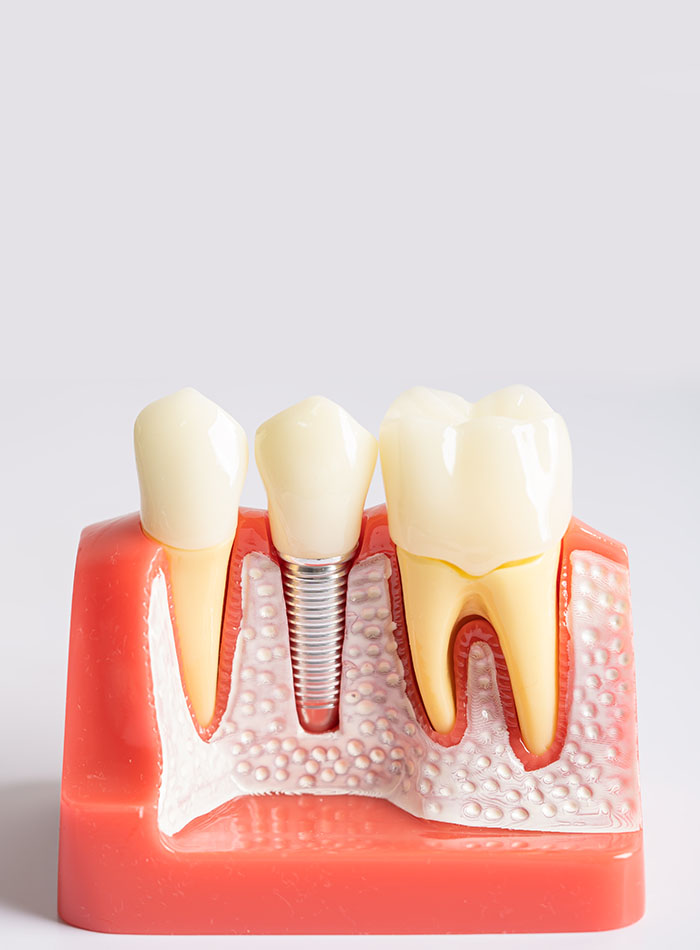
A natural tooth has two main components: the crown, which is the portion you see above the gum line, and the root, which is what anchors your tooth firmly in place in your jawbone. A dental implant is a small screw that is surgically placed in your jaw, where it replaces the root of your missing tooth so that your new tooth has nearly the same functionality and stability as your natural tooth would. This happens because the zirconium implant and your jawbone undergo a transformative process called osseointegration where they fuse together to form an incredibly sturdy, durable foundation for your replacement tooth.
Dental Implants Restoration have many benefits:
- Unparalleled functionality – after it heals, you can eat whatever you want without restrictions and do not need to worry about your restoration slipping or falling out of your mouth
- Longevity – with good oral hygiene, Dental Implants Restoration can last a lifetime
- Better oral health – Dental Implants Restoration stimulate your jawbone to keep it healthy, rather than deteriorating over time as it can with other types of dental restorations; in addition, they are easy to care for and no healthy tooth structure in your surrounding teeth needs to be altered to support the implant
Two types of implants are generally available: titanium or zirconium. Both function similarly, but as a holistic dental practice, our dentists recommend zirconium implants because zirconium is a non-metal, tooth-colored, biocompatible material.
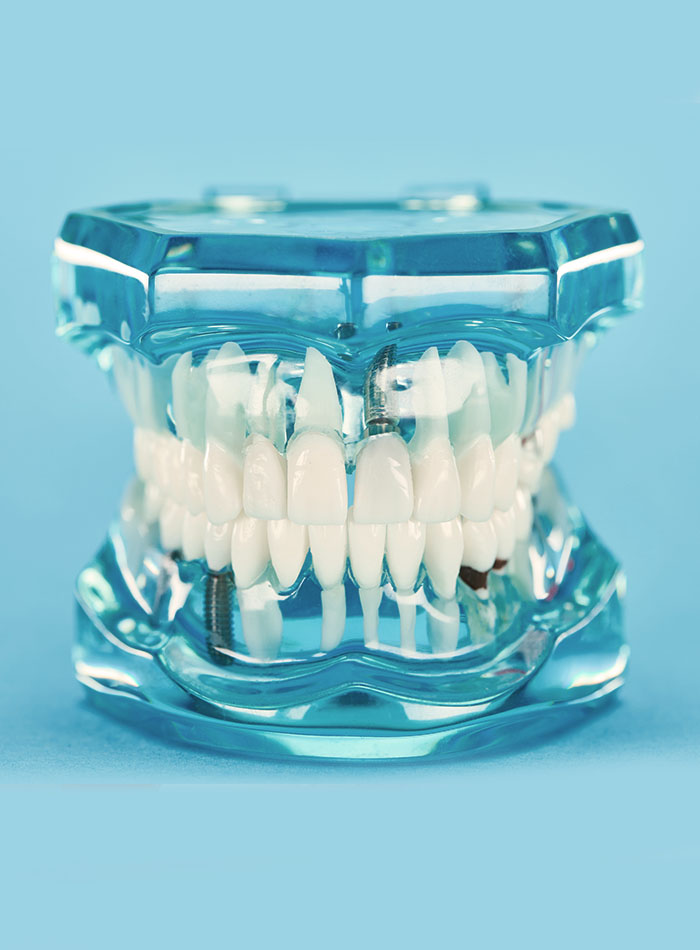

Placing Dental Implants Restoration
First, a local periodontist will surgically place the dental implant in a strategic location in your jaw. After that has healed, an abutment is placed on the implant, which is a small connecting piece that is used to connect your new tooth to the implant. Then, our team at Natural and Cosmetic Dentistry restores the tooth with a beautiful, natural-looking crown made of biocompatible zirconium.
If you are suffering from tooth loss, call our Clearwater, FL office today at 727-888-6523 to learn about how to safely and effectively restore your smile!
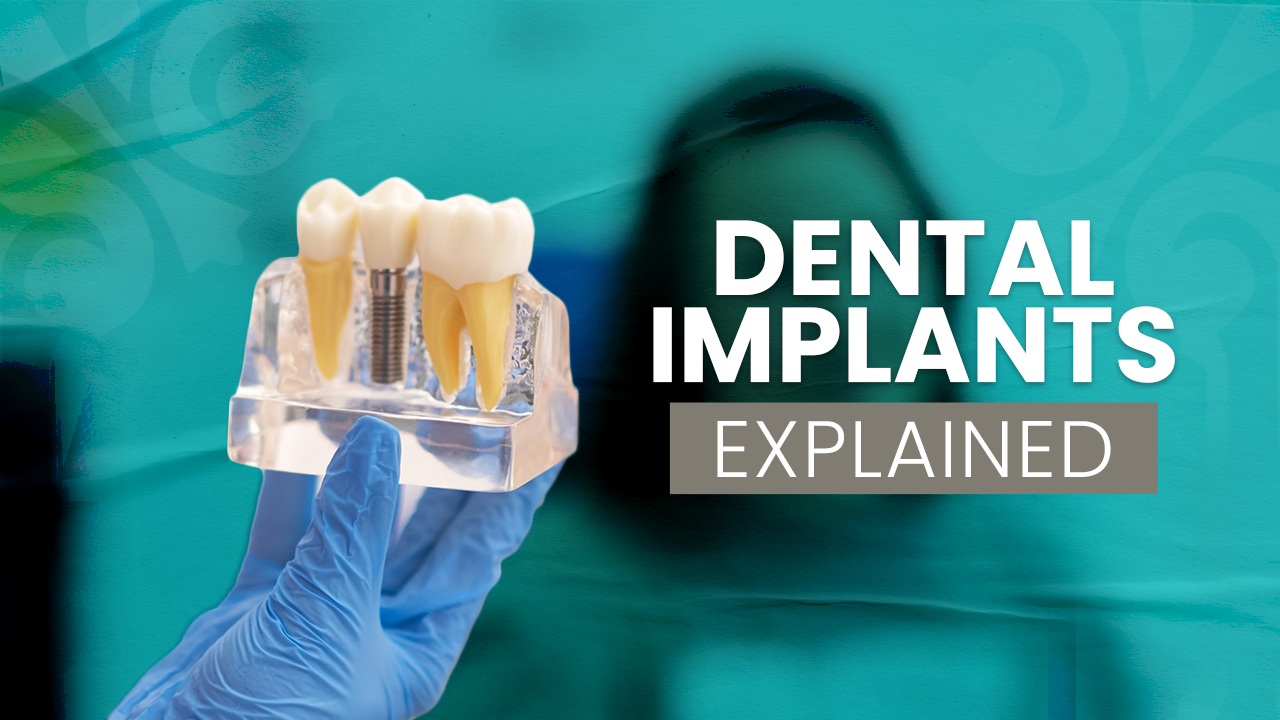
What are dental implants? What are the benefits of zirconia implants? If you are missing one or more teeth in your mouth, dental implants are for you. Watch this explainer video to learn more.
Video Transcript
What is a dental implant?
A dental implant is a titanium post that is placed in the upper or lower jawbone done to replace a missing tooth.
More and more people are finding that they are incompatible with conventional titanium implants, and negative reactions to the metal have been found in many patients over the past few years.
A replacement material is now available with modern high-performance ceramic zirconium oxide. In recent years, high-strength zirconia ceramics have become attractive as new materials for dental implants.
What are the benefits of zirconia dental implants compared to titanium dental implants?
With metal-free high-performance ceramics, you can ensure that the disadvantages, which metallic titanium implants may exhibit, do not occur.
– Zirconium oxide ceramics are extremely biocompatible and do not irritate the immune system.
– There are no known incompatibilities or allergies to this material.
– Significantly less plaque forms on zirconium oxide ceramics, which reduces the risk of peri-implantitis, cardiovascular disease, and stroke.
– The beauty of your smile is not only defined by the whiteness of the teeth but also by the color and shape of your gums. We call this red-white aesthetic.
– The white ceramic material looks similar to the natural tooth – no gray rings or shadows are visible even with thin or receding gums.
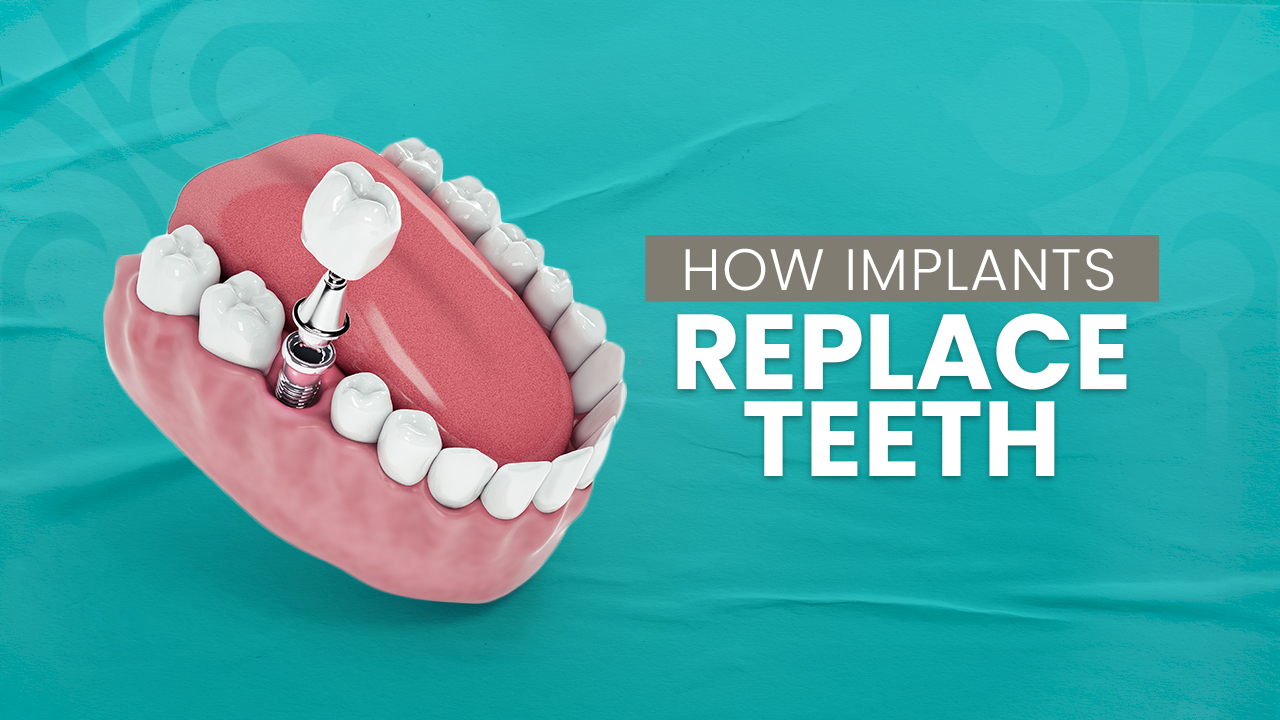
Dental Implants Introduction Video
Video Transcript
Dental implants are titanium roots that are replaced in the jawbone to resemble a tooth or group of teeth. A screw is inserted through the gums and into the jawbone. A porcelain crown is then attached to the screw to become the new tooth or teeth. They can be used to support dental prosthesis, including crowns, dentures, and bridges. Today’s treatments are so natural looking, no one will know you had surgery. There is approximately a 95 percent success rate for all implants. With modern advances in dentistry, some implants can be restored immediately with lifelike all-porcelain crowns. For more details, ask your dentist.
Frequently Asked Questions
What are dental implants?
Dental implants are small posts placed in the jawbone to replace the root of a missing tooth. After healing, an implant supports a natural-looking restoration (like a crown) so you can chew and smile with confidence.
What does “dental implant restoration” mean?
“Implant restoration” usually refers to the complete finished tooth—the implant (root replacement) plus the connecting piece (abutment) and the final crown. On your page, this is described as a zirconium implant restored with a biocompatible zirconium crown.
Why choose zirconia (zirconium) implants instead of titanium?
Both titanium and zirconia implants can function well. Many patients looking for a more holistic approach prefer zirconia because it’s non-metal and tooth-colored. Your team can help you compare options based on your health history, bite, and goals.
Who places the implant?
Typically, a local periodontist surgically places the implant. After healing, an abutment is placed, and then our team completes the restoration with a natural-looking crown.
How long does the dental implant process take?
Timing varies based on healing, bone health, and your specific case. In general, there’s a healing period after the implant is placed before the final crown is attached. During your visit, we’ll explain the expected timeline for you.
Does getting a dental implant hurt?
Most patients are surprised by how manageable it is. The procedure is done with local anesthesia, and you can expect some tenderness afterward—similar to other dental surgeries. We’ll review comfort options and detailed aftercare.
Can dental implants replace more than one tooth?
Yes. Implants can support:
-
A single crown (one missing tooth)
-
An implant-supported bridge (multiple teeth)
-
Implant-supported dentures (more stability for full-arch tooth replacement)
Am I a candidate for dental implants?
Many adults are candidates, but we look closely at:
-
Gum health
-
Bone support
-
Medical history/medications
-
Smoking or vaping (can affect healing)
-
Bite forces and grinding/clenching
If implants aren’t the best fit right now, we’ll walk you through alternatives.
What if I’ve been missing teeth for a long time?
Even if it’s been years, implants may still be possible. However, long-term tooth loss can lead to bone changes, so you may need additional planning before placement. We’ll evaluate your situation and outline next steps.
Can I get a crown the same day as the implant?
Some cases can be restored sooner than others, but not everyone is a candidate for immediate restoration. The decision depends on implant stability, bite, and healing considerations. We’ll tell you what’s appropriate for your case.
How long do dental implants last?
With good home care and regular dental visits, implants are designed to be a long-term solution. Longevity depends on hygiene, overall health, bite forces, and avoiding gum inflammation around the implant.
How do I take care of dental implants?
Implants are cared for like natural teeth:
-
Brush twice daily
-
Clean between teeth/implants daily (floss/interdental tools as recommended)
-
Keep regular professional cleanings
-
Address grinding with a night guard if needed
What are the risks of dental implants?
As with any procedure, there are risks (like infection, inflammation around the implant, or healing complications). The best way to reduce risk is careful planning, good home care, and routine monitoring.
How much do dental implants cost?
Cost depends on how many teeth you’re replacing and what’s needed (extractions, bone support, type of restoration, etc.). After an exam, we’ll provide a clear, personalized estimate.
How do I schedule an appointment?
Ready to explore implants? Call 727-888-6523 or click here to schedule your visit.
Our Latest
Dental Implants Articles

Collagen for Receding Gums: Can It Actually Help?

What Makes a Dentist Qualified to Remove Mercury Fillings Safely?

What Is a Natural Dentist? A Whole-Body Approach to Dental Care

Smile Design Dentistry Explained: From First Preview to Final Result

Is Fluoride-Free Toothpaste Actually Better for Your Teeth?

The doctors at Natural and Cosmetic Dentistry
Dr. Mikey, Dr. Carlson and Dr. Luo