
Natural Ways to Improve Oral Health: What Actually Works?
The most effective natural ways to improve oral health are not complicated: brush gently twice a day, clean between your teeth daily, support healthy saliva, limit frequent sugar and acid exposure, and choose oral care products that fit your personal needs. Regular dental examinations and cleanings still matter because even an excellent home routine cannot remove hardened tartar, diagnose a cracked tooth, or treat an established infection.
A holistic approach may include biocompatible products, minimally invasive care, and attention to the connection between oral and whole-body health. However, “natural” should never mean ignoring bleeding gums, recurring pain, swelling, or other signs that your mouth needs professional attention.
What Does Natural Oral Care Really Mean?
Natural oral care is not simply replacing every conventional product with something labeled green, herbal, or chemical-free. A leaf on the package does not automatically make a product effective—or appropriate for your mouth.
In natural and holistic dentistry, the goal is to prevent disease, preserve healthy tooth structure, choose biocompatible materials when treatment is needed, and consider factors such as inflammation, nutrition, saliva, breathing, dental materials, and the oral microbiome.
The best routine is not necessarily the one with the most products. It is the one you can follow consistently and that addresses your actual oral health risks.
Brush Gently Twice a Day
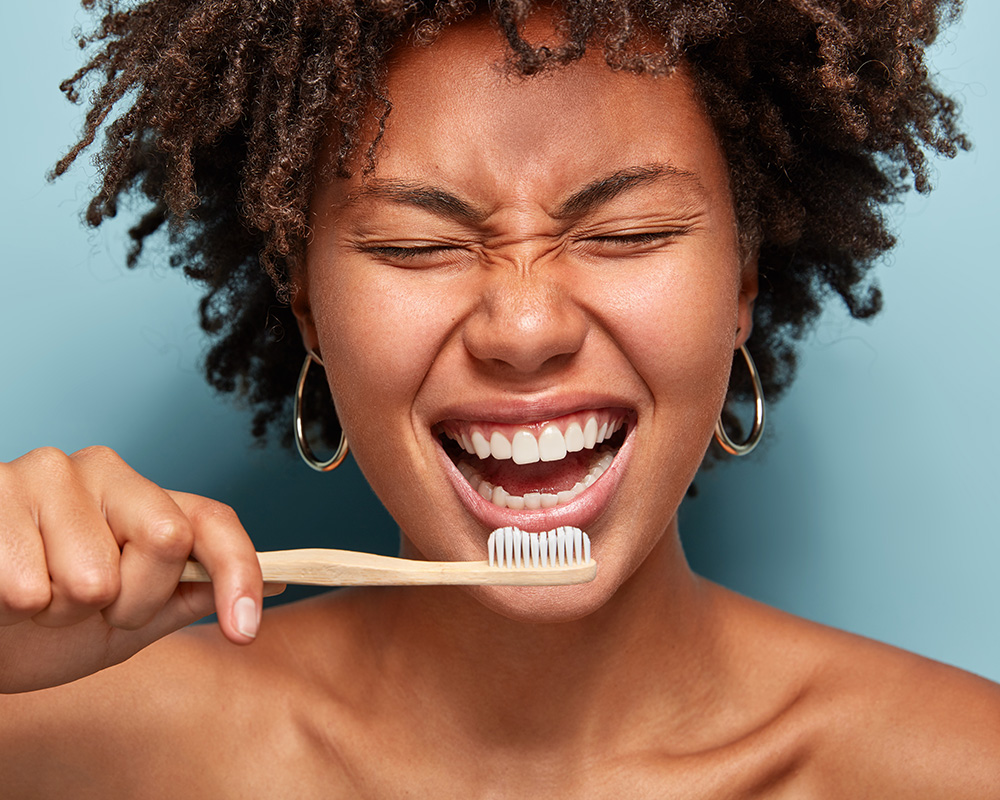
Brushing removes plaque and food debris before they have time to irritate the gums or contribute to decay. Use a soft-bristled manual or electric toothbrush and brush for about two minutes in the morning and before bed.
Angle the bristles toward the gumline and use small, controlled movements. Scrubbing harder does not make teeth cleaner. Excessive pressure may irritate the gums and contribute to wear near the gumline, especially when combined with an abrasive toothpaste.
- Brush the outer, inner, and chewing surfaces of every tooth.
- Use light pressure rather than flattening the bristles against your teeth.
- Replace the brush or brush head when the bristles become frayed.
- Clean your tongue gently to reduce trapped debris and odor-causing buildup.
Clean Between Your Teeth Every Day
A toothbrush cannot fully reach the tight spaces where neighboring teeth touch. Floss, interdental brushes, and water flossers help remove plaque and food from these areas and along the gumline.
The best tool depends on your spacing, dexterity, dental restorations, braces, implants, and gum health. Traditional floss may work well for tight contacts, while interdental brushes can be helpful around larger spaces. A water flosser may make daily cleaning easier for people with bridges, orthodontic appliances, sensitive gums, or limited hand mobility.
Bleeding during flossing is not proof that you should stop. It can be a sign of inflamed gums, although an overly forceful technique may also cause irritation. Persistent bleeding deserves an evaluation.
Protect Saliva—Your Mouth’s Natural Defense System
Saliva is one of the most useful natural protections your mouth has. It washes away debris, dilutes acids, supports a balanced oral environment, and supplies minerals that help maintain enamel.
Dry mouth can increase the risk of cavities, bad breath, tissue irritation, and difficulty swallowing. It may be related to medications, dehydration, mouth breathing, tobacco use, medical conditions, or reduced salivary-gland function.
- Drink water regularly throughout the day.
- Chew sugar-free gum containing xylitol when appropriate.
- Limit alcohol and tobacco exposure.
- Avoid sipping sugary or acidic drinks for hours at a time.
- Mention persistent dry mouth during your dental and medical visits.
Waking with a very dry mouth may also suggest nighttime mouth breathing. When it occurs with loud snoring, restless sleep, morning headaches, or daytime fatigue, it is worth discussing with a healthcare professional.
Eat for Stronger Teeth, Not a “Perfect” pH
The old advice to simply “eat more alkaline foods” makes oral health sound easier than it is. Leafy greens, vegetables, proteins, healthy fats, and mineral-rich foods can support a nutritious diet, but no single food permanently resets the pH of your mouth.
For your teeth, how often you expose them to sugar and acid can be just as important as how much you consume. Each snack, sweet drink, sports drink, citrus water, or sugary coffee creates another opportunity for enamel to face an acid challenge.
- Keep sweet foods and drinks with meals rather than grazing throughout the day.
- Drink plain water after coffee, wine, citrus, or other acidic choices.
- Avoid brushing immediately after a strongly acidic drink or meal.
- Choose whole foods that require chewing and support saliva production.
- Include adequate protein, calcium, phosphorus, and other nutrients in your diet.
Our guide to nutrition and dental health explains why a balanced diet matters without suggesting that food alone can repair an established cavity.

Choose Toothpaste Based on Your Needs
Fluoride-free toothpaste is not automatically healthier for every person, just as fluoride toothpaste is not automatically the best fit for every preference. Your cavity history, saliva flow, exposed roots, restorations, sensitivity, age, diet, and brushing consistency all affect the decision.
Patients who prefer fluoride-free care should look for a meaningful enamel-supporting ingredient rather than choosing a toothpaste based only on what it leaves out. Hydroxyapatite is a calcium-phosphate mineral related to the mineral structure of enamel. It is included in some toothpastes to support early remineralization and help reduce certain types of sensitivity.
Our article on whether fluoride-free toothpaste is better for your teeth provides a more detailed comparison. People with frequent cavities, severe dry mouth, exposed roots, or rapidly progressing decay should ask their dentist whether a fluoride-free routine provides enough protection for them.
For adults seeking a fluoride-free and SLS-free option, Natural Smile Essentials Whitening Toothpaste contains nano hydroxyapatite and gentle polishing ingredients for daily enamel support and surface-stain removal. Toothpaste can support enamel, but it cannot close an established cavity or repair a cracked tooth.
Use Mouthwash as Support, Not a Substitute
Mouthwash may freshen breath and complement a daily routine, but it does not replace brushing or cleaning between the teeth. A rinse also cannot remove hardened tartar or correct the underlying cause of persistent bad breath.
If conventional mouthwash leaves your mouth dry or burning, consider an alcohol-free formula. Natural Smile Essentials Nano Silver Mouthwash is an alcohol-free option formulated with nano hydroxyapatite, botanical ingredients, and mint oils.
Patients who prefer a coordinated routine may also consider the Essential Smile System, which combines toothpaste, mouthwash, and targeted oral-care drops.
Stop using any rinse that causes persistent burning, peeling tissues, swelling, or worsening irritation. Natural ingredients and essential oils can still be too strong for some sensitive mouths.
Natural Extras That May Complement Your Routine
A few optional habits can make a good routine feel more complete, but none should be treated as a cure-all.
Tongue Cleaning
A tongue scraper or toothbrush can remove the coating that collects on the tongue. Use gentle pressure; scraping until the tongue feels sore is unnecessary.
Xylitol Gum
Sugar-free gum containing xylitol can stimulate saliva after meals, which may be especially useful when brushing is not practical. Gum may not be appropriate for people with certain jaw problems or digestive sensitivities.
Oil Pulling
Oil pulling may help some people feel fresher and may loosen debris, but it should remain an optional addition—not a replacement for brushing, flossing, examinations, or gum treatment. Do not swallow the oil or rely on it to treat dental pain or infection.
Herbal and Essential-Oil Products
Botanicals can feel pleasant and soothing when formulated at appropriate concentrations. Applying undiluted essential oils directly to the gums may cause irritation or chemical burns, so use products only as directed.
Know When Home Care Has Reached Its Limit
Natural home care is preventive. It cannot remove tartar, diagnose decay between teeth, rebuild lost bone, eliminate an abscess, or repair damaged dental work.
Professional holistic dental cleanings remove deposits that remain after brushing and flossing. Your dentist and hygienist can also evaluate gum pockets, recession, enamel wear, old restorations, bite forces, dry mouth, and early decay that may not yet hurt.
Patients who repeatedly develop cavities may benefit from a more detailed look at saliva, diet, brushing access, dental materials, and holistic cavity detection. Prevention works best when it is personalized rather than copied from someone else’s social-media routine.
Do Not Ignore Bleeding, Pain, or Persistent Bad Breath
Contact a dentist when you notice symptoms that do not improve with careful home care, including:
- Gums that bleed regularly or appear swollen
- Persistent bad breath or a recurring unpleasant taste
- New tooth sensitivity or pain when biting
- Loose teeth or changes in the way your bite feels
- Receding gums or teeth that appear longer
- Mouth sores that do not heal
- Facial swelling, fever, drainage, or severe dental pain
Early gum inflammation may sometimes improve with better plaque removal and professional care. More advanced disease may require personalized treatment, including laser-assisted gum disease treatment or another periodontal approach.
Should Old Metal Fillings Be Removed?
Having every metal filling removed is not a universal natural oral health recommendation. An intact filling may continue functioning for years, and removing it requires taking away some surrounding tooth structure. The condition of the filling, the tooth beneath it, your symptoms, material concerns, and the amount of remaining healthy tooth should all be considered.
Ask for an evaluation if an old amalgam filling is cracked, leaking, surrounded by decay, causing discomfort, or no longer supporting the tooth properly. Some patients also request a consultation because they prefer metal-free and biocompatible restorative materials.
When replacement is clinically appropriate or chosen after an informed discussion, a protective removal process can reduce exposure to particles and vapor created during drilling. Natural and Cosmetic Dentistry offers SMART-based mercury amalgam removal using isolation, high-volume evacuation, water cooling, and other protective measures.
Frequently Asked Questions
What is the fastest natural way to improve oral health?
Begin with the habits that affect plaque every day: brush gently for two minutes twice daily, clean between your teeth once a day, drink enough water, and reduce frequent sugary or acidic snacks. Schedule an examination if you already have bleeding, sensitivity, pain, or persistent bad breath.
Can I improve my oral health without fluoride?
Some patients use a fluoride-free toothpaste containing hydroxyapatite for enamel support. Whether that is appropriate depends on cavity risk, dry mouth, exposed roots, age, diet, restorations, and other factors. People with recurring decay should discuss the change with their dentist.
Can diet reverse a cavity naturally?
Nutrition and remineralizing ingredients may support enamel during the earliest stage of mineral loss, before the surface breaks down. Once a physical hole has formed, food, supplements, or toothpaste cannot rebuild the missing tooth structure.
Why do my gums bleed when I floss?
Bleeding may occur when plaque has inflamed the gums, although snapping floss or using too much force can also injure the tissue. Use a gentle technique and schedule an evaluation if bleeding continues.
Does oil pulling remove plaque?
Oil pulling may loosen debris and help the mouth feel fresher, but it does not clean between teeth as predictably as floss or interdental tools. It also cannot remove tartar or treat gum disease.
Is alcohol-free mouthwash better?
It may be more comfortable for people who experience dryness, burning, or sensitive oral tissues. The best rinse is one that suits your needs and complements—not replaces—brushing and interdental cleaning.
How often should I have a dental cleaning?
There is no ideal schedule for every patient. Some people with healthy gums may do well with routine preventive visits, while patients with gum disease, heavy tartar buildup, dry mouth, implants, or frequent cavities may need care more often.
Should healthy mercury fillings be removed as a preventive measure?
Not automatically. The filling and surrounding tooth should be evaluated first. If replacement is appropriate, ask how the procedure will protect your airway, healthy tooth structure, and surrounding environment.
Build a Natural Routine Around Your Mouth
The best natural ways to improve oral health are the habits that protect your teeth and gums without asking one product, supplement, or food to do everything. Brush gently, clean between the teeth, support healthy saliva, eat thoughtfully, and pay attention when your mouth sends a warning sign.
At Natural and Cosmetic Dentistry in Clearwater, we combine holistic and biologic principles with personalized preventive care. Whether you need a cleaning, help choosing oral-care products, a gum evaluation, or a second opinion about existing dental work, schedule an appointment or call (727) 888-6523.
