


What Is Smile Design Dentistry?
Smile design dentistry is the process of planning cosmetic and restorative dental treatment around your unique teeth, gums, facial features, bite, and personal preferences. Instead of choosing a procedure first and hoping the result looks right, your dentist studies how the individual details of your smile work together before recommending treatment.
The result may involve something as simple as professional whitening or bonding. A more comprehensive plan might include clear aligners, veneers, metal-free restorations, or a combination of treatments. The goal is not to manufacture a flawless row of identical teeth. It is to create a smile that looks healthy, balanced, believable, and recognizably yours.
What Does a Smile Designer Look At?
Most patients begin by pointing to one concern: “This tooth looks too short,” “My smile seems uneven,” or “I want my teeth brighter.” Smile design looks beyond that single detail to understand why it stands out.
A complete evaluation may consider:
- Tooth proportions: The width, length, shape, and visible edges of each tooth
- Tooth color: Overall shade, staining, translucency, and how existing restorations affect the smile
- Alignment: Crowding, spacing, rotations, and differences in tooth height
- Gum balance: Gum health, recession, inflammation, and how much gum tissue shows when you smile
- Lip movement: How your lips frame your teeth when you speak, laugh, and smile naturally
- Facial harmony: How the smile relates to your cheeks, jawline, profile, and other facial features
- Bite and function: How the upper and lower teeth meet and whether wear, clenching, or muscle tension could affect the result
These measurements are useful, but good smile design is not a math contest. Personality, age, comfort, lifestyle, and personal taste matter just as much as symmetry.
What Can Smile Design Dentistry Improve?
Smile design dentistry may be helpful when several small concerns are creating one larger feeling that your smile is “off.” Common concerns include:
- Chipped, worn, or uneven tooth edges
- Teeth that look too short, narrow, rounded, or square
- Spaces or dark gaps between teeth
- Crowding or mildly rotated teeth
- Discoloration that does not respond evenly to whitening
- Older fillings, crowns, or veneers that no longer blend naturally
- An uneven smile line
- Teeth that appear unbalanced with the lips or face
- A smile that looks aged because of wear or loss of tooth length
You do not need to dislike your entire smile to benefit from planning. Sometimes one carefully selected change can improve the overall balance more effectively than treating every visible tooth.
How the Smile Design Dentistry Process Works
1. You Explain What You Want to Change
The process starts with a conversation, not a sales pitch. You may know exactly what bothers you, or you may simply feel that your smile does not suit you. Photos of smiles you like can be helpful, but they are used as inspiration—not as a template to copy onto your face.
2. Your Oral Health and Bite Are Evaluated
Before cosmetic work begins, your dentist checks the condition of your teeth, gums, existing restorations, and bite. Cavities, active gum inflammation, infection, or unstable teeth generally need attention first. Building an attractive result on an unhealthy foundation is a little like installing expensive countertops while the kitchen floor is sinking.
3. Records Are Collected
Depending on the proposed treatment, planning may include photographs, digital scans, X-rays, bite records, measurements, or models of your teeth. These records help evaluate proportions and identify limitations that may not be obvious in a bathroom-mirror inspection.
4. You Review the Proposed Design
A preview can help you understand changes in tooth length, shape, alignment, or overall balance before committing to final treatment. Natural and Cosmetic Dentistry offers a Trial Smile for patients who would like to see and evaluate a possible transformation first.
5. Treatment Is Planned in the Right Order
If several services are involved, sequence matters. Teeth may need to be aligned or whitened before veneers or restorations are selected so the final shade, position, and proportions work together. A phased plan can also make treatment more manageable.
Which Treatments May Be Included in Smile Design Dentistry?
Smile design dentistry is not one specific treatment. It is the plan that determines which treatments make sense—and which ones you can skip.
- Professional whitening: Teeth whitening and deep bleaching can brighten natural enamel before the shade of veneers, bonding, crowns, or other restorations is selected.
- Cosmetic bonding: Tooth-colored material may reshape small chips, close certain spaces, or improve uneven edges with limited alteration to the tooth.
- Clear aligners: Clear aligner treatment may place teeth in healthier, more attractive positions before other cosmetic work is considered.
- Dental veneers: Carefully planned dental veneers can change visible tooth shape, shade, proportions, and symmetry.
- No-prep or minimal-prep veneers: Appropriate candidates may qualify for no-prep dental veneers that require little or no enamel reduction.
- Metal-free restorations: Damaged or heavily restored teeth may need zirconia crowns, inlays, onlays, or composite restorations rather than treatment performed only for appearance.
- Gum care: Healthy gums frame the teeth. Inflammation, recession, or periodontal concerns may need to be addressed before the cosmetic plan is finalized.
Not every smile needs veneers, and not every cosmetic concern can be corrected with whitening. Thoughtful design helps match the treatment to the actual problem.
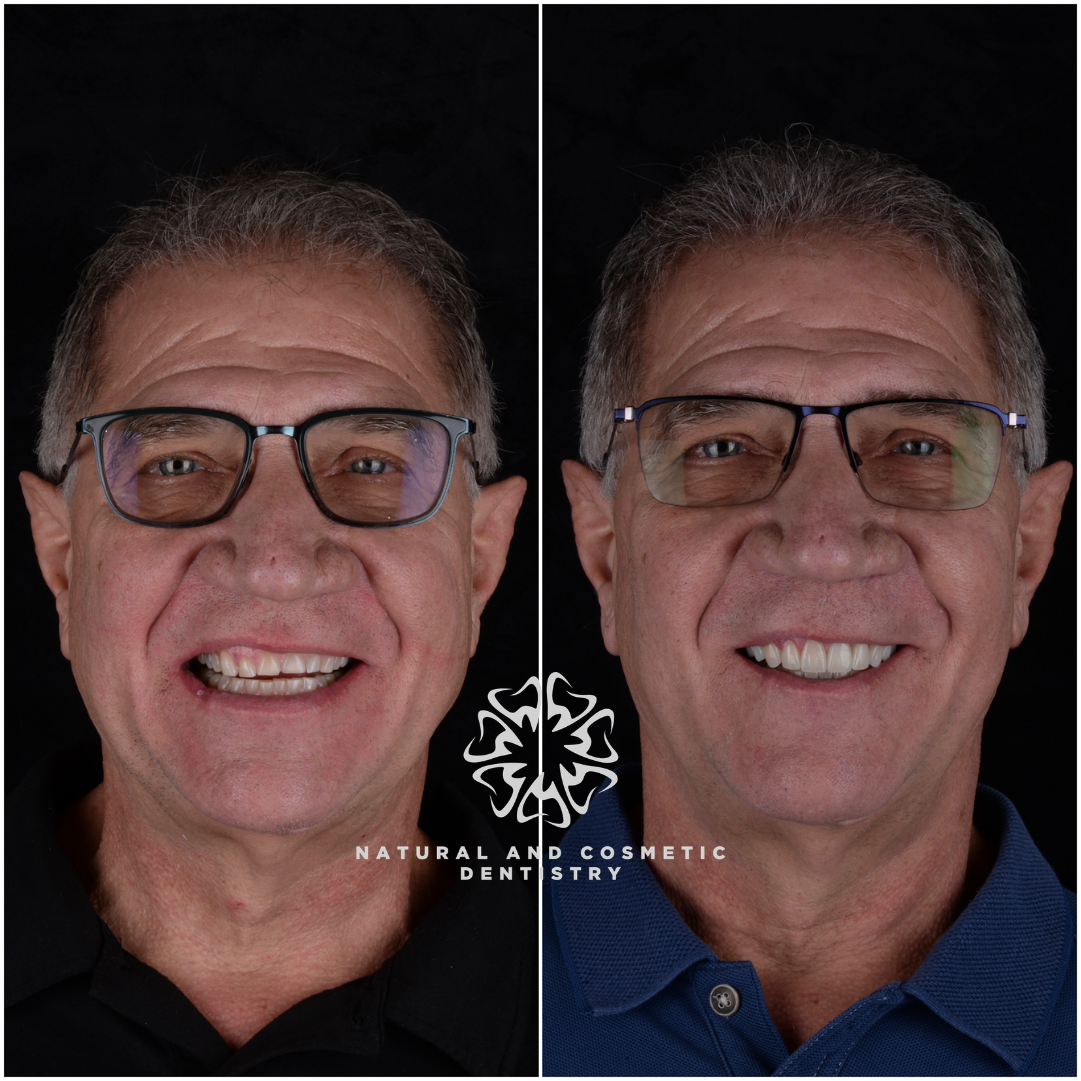
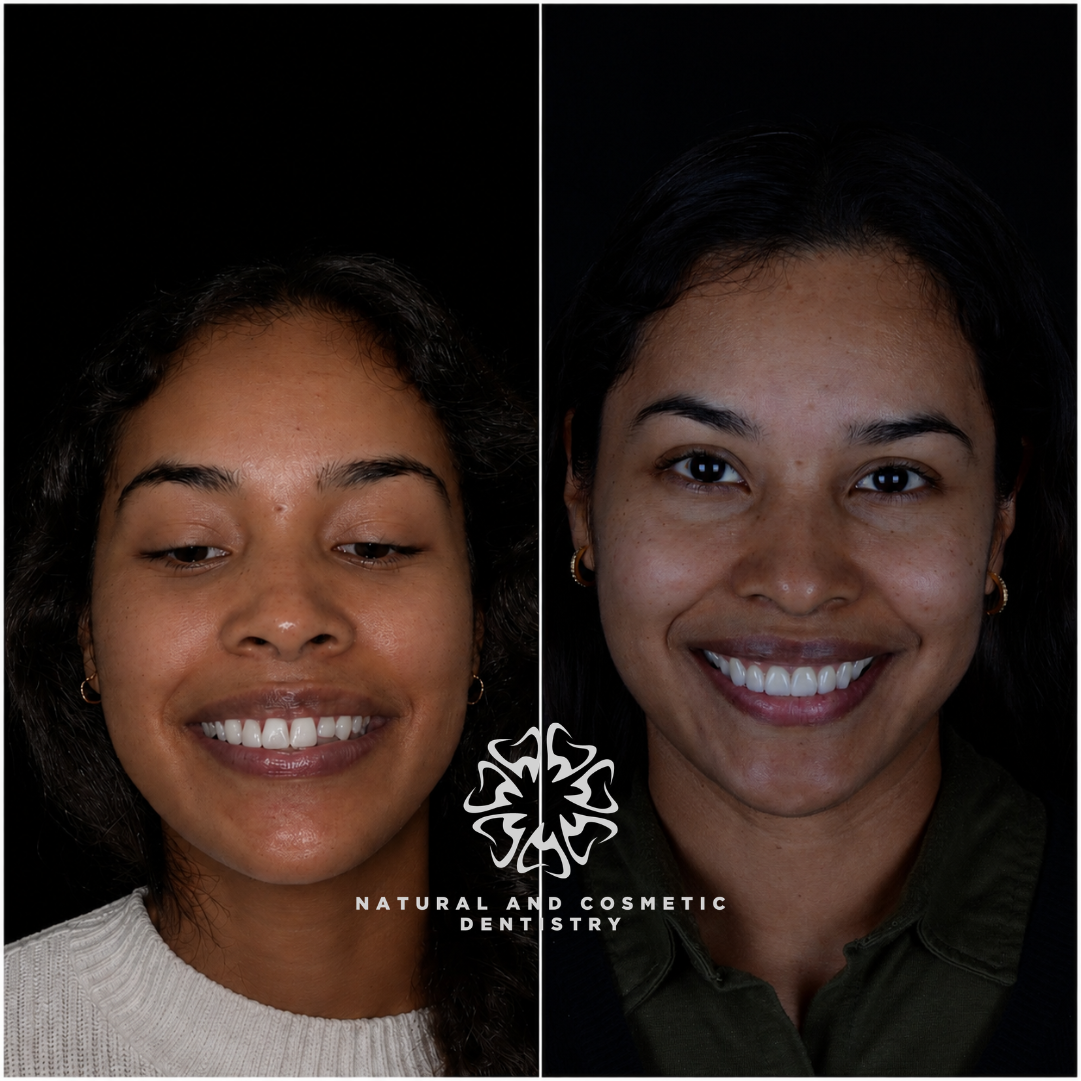
SMILE GALLERY
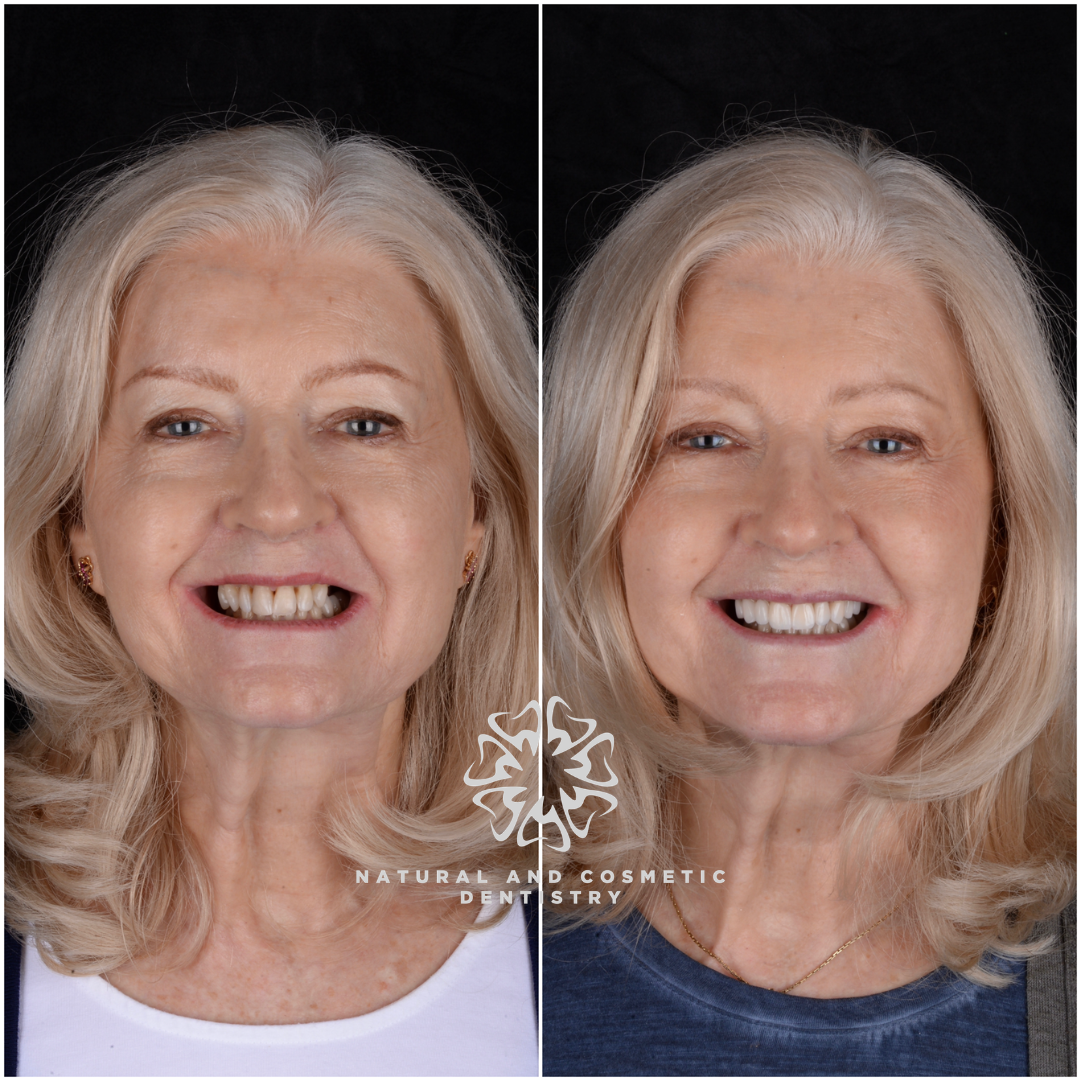
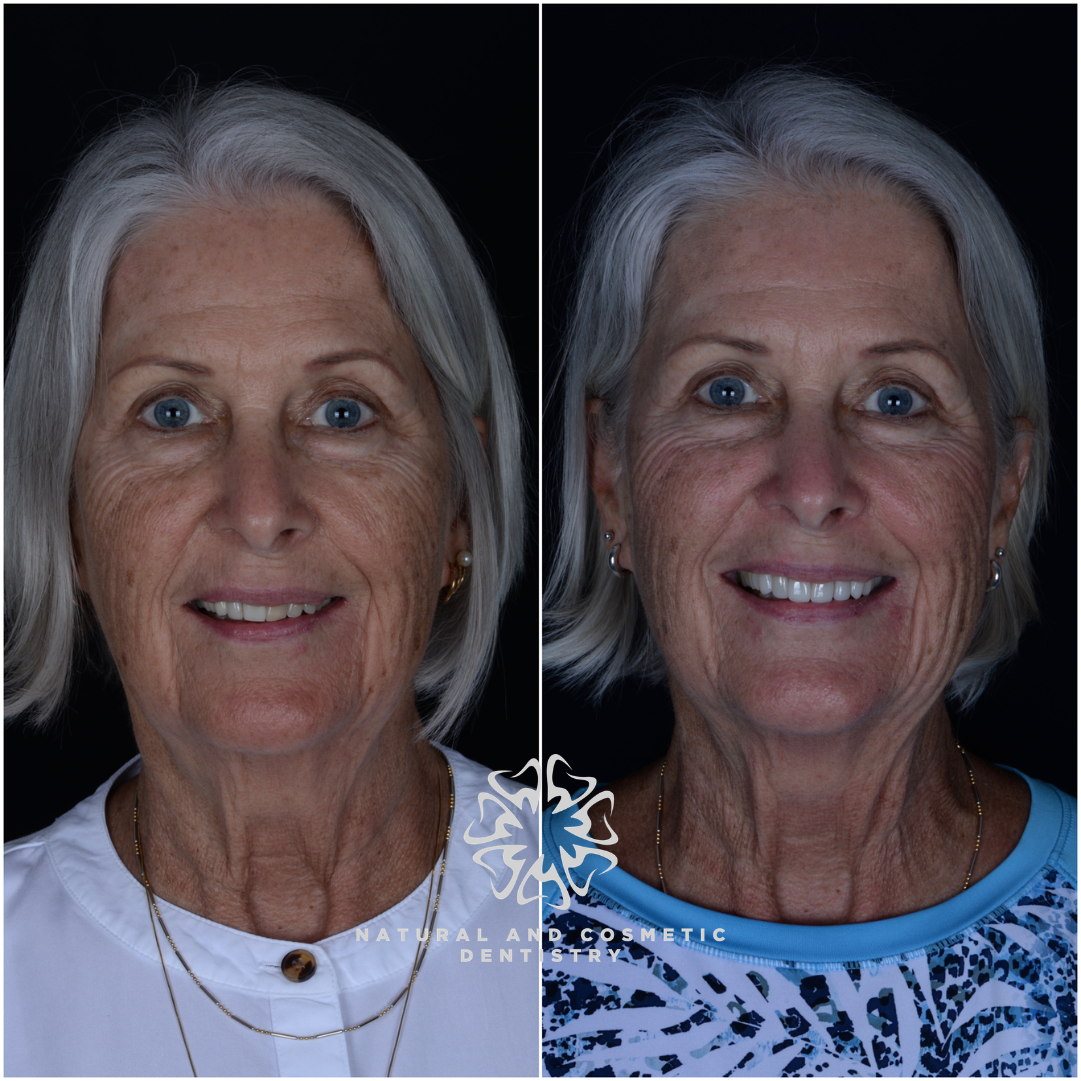
Real Smile Results from Natural and Cosmetic Dentistry




Ready to Picture Your Own Results?
Every smile in our gallery began with a different concern, goal, and treatment plan. Your result should be just as personal. During a consultation, we can evaluate your teeth, gums, facial features, and bite, then explain which options may create a natural-looking improvement without unnecessary treatment.
Whether you are considering a small refinement or a complete smile makeover, thoughtful planning helps you understand what is possible before making a decision. Individual results vary, and the right approach begins with an evaluation of your oral health and goals.
Smile Design Dentistry vs. a Smile Makeover
The terms are related, but they do not mean exactly the same thing.
Smile design dentistry is the planning process. It evaluates the details, establishes the desired result, and determines how to reach it.
A smile makeover is the treatment plan put into action. It may involve one procedure or a carefully sequenced combination of services.
In other words, smile design is the blueprint; the smile makeover is the renovation. Skipping the blueprint can lead to mismatched shades, unnatural proportions, unnecessary treatment, or a result that looks attractive in isolation but does not suit the rest of the face.
A Holistic Approach to Smile Design Dentistry
A smile should not become prettier while the teeth underneath become weaker. From a holistic and biologic perspective, cosmetic treatment should respect the natural tooth structure, gum health, bite, and the materials being placed in the mouth.
A conservative smile design plan may prioritize:
- Preserving healthy enamel whenever possible
- Choosing the least invasive treatment capable of reaching the goal
- Using biocompatible, metal-free materials when appropriate
- Treating decay, infection, and gum inflammation before cosmetic work
- Considering how clenching, grinding, or an unstable bite could damage the result
- Avoiding unnecessarily bulky, opaque, or aggressively prepared restorations
- Creating a home-care plan that supports the gums and restored teeth
Conservative does not mean settling for a less attractive result. It means improving the smile without removing more healthy tooth structure than the treatment truly requires.
Who Is a Good Candidate for Smile Design Dentistry?
You may be a good candidate when you are generally healthy enough for dental care, your cosmetic goals are realistic, and you are willing to maintain the result with consistent home care and professional visits.
Smile design may be especially useful if:
- You are considering veneers but want to understand less invasive alternatives first
- You have several cosmetic concerns that need to be planned together
- You are replacing old or mismatched cosmetic dental work
- You want to preview possible changes before treatment
- You prefer a natural-looking result rather than a dramatic, uniform appearance
- You are unsure whether whitening, bonding, aligners, veneers, or restorations would help most
- You want the plan to account for both appearance and long-term function
Patients with active decay, gum disease, infection, severe grinding, or an unstable bite may still pursue cosmetic improvements, but those concerns usually need to be stabilized first.
What Smile Design Cannot Fix by Itself
Digital images and cosmetic previews can show what may be possible, but they cannot make an unhealthy tooth healthy or guarantee that every requested change is appropriate.
For example, veneers should not be used to hide untreated decay. Whitening cannot change the color of existing crowns or fillings. Bonding may not withstand heavy grinding without additional protection. Clear aligners may be a better choice than widening teeth with restorations when crowding is the real problem.
An honest consultation should include limitations as well as possibilities. Occasionally, the most responsible recommendation is to treat a health concern first, simplify the cosmetic plan, or leave a perfectly healthy tooth alone.
How Long Does Smile Design Dentistry Take?
The planning stage may begin during one consultation, but the full timeline depends on what your smile needs.
- Whitening or minor bonding: Treatment may be completed relatively quickly once the teeth and gums are healthy.
- Veneers or restorations: Planning, previews, preparation when needed, fabrication, and placement may require multiple appointments.
- Clear aligners: Alignment generally extends the timeline but may reduce the amount of restorative work needed later.
- Comprehensive treatment: Gum care, bite treatment, replacement of failing restorations, or treatment of missing teeth may require a phased approach.
Patients preparing for a wedding, reunion, professional event, or major trip should schedule their evaluation early. Teeth are not known for respecting party-planning deadlines.
Is There Recovery After Smile Design Treatment?
Smile design itself does not require recovery because it is the planning phase. Recovery depends on the treatments included in the final plan.
Whitening can cause temporary sensitivity. Bonding and no-prep veneers often involve little interruption to your routine. Traditional veneers or crowns may cause short-term sensitivity or gum tenderness. Clear aligners can create mild pressure when a new set is started.
Your dentist should explain what to expect for each proposed procedure, including eating restrictions, temporary restorations, sensitivity, maintenance, and when you can return to normal activities.
How Much Does Smile Design Dentistry Cost?
The cost depends on the complexity of the plan, the number of teeth involved, the records or previews needed, and the treatments selected. A plan involving whitening and limited bonding will differ substantially from one involving alignment, veneers, or replacement of older restorations.
During your consultation, ask for a written plan that separates essential health treatment from optional cosmetic improvements. It can also be helpful to discuss whether treatment can be completed in phases.
Dental insurance may contribute to procedures needed to restore damaged or unhealthy teeth, but treatment performed only for cosmetic reasons is often not covered. Benefits vary, so coverage should be verified before treatment begins.
Frequently Asked Questions
Is smile design dentistry only for veneers?
No. Veneers are only one possible option. A plan may include whitening, bonding, clear aligners, gum care, metal-free restorations, or no treatment for certain teeth. The purpose of smile design is to determine the most appropriate combination.
Can I see my new smile before treatment?
Often, yes. Depending on the case, your dentist may use photographs, digital planning, models, or a physical Trial Smile to help you evaluate possible changes before final treatment begins.
Does smile design change the shape of every tooth?
Not necessarily. Some patients need improvement to only one or two teeth. Others benefit from coordinating several teeth across the visible smile. The plan should be based on what creates balance without treating healthy teeth unnecessarily.
Can smile design dentistry make my teeth look less bulky?
It may help when bulkiness is related to older bonding, crowns, veneers, tooth position, or disproportionate shapes. Your dentist must first determine whether reshaping, replacement, alignment, or another approach would be safest.
Can I choose the exact shade of my teeth?
You can discuss your preferred brightness, but the most suitable shade also depends on your natural enamel, skin tone, lip color, existing restorations, and how many teeth will be treated. Extremely opaque white teeth may look less natural than a slightly softer shade with realistic translucency.
Will smile design improve my bite?
It can account for bite function, but cosmetic treatment is not automatically a solution for every bite disorder. Significant clenching, jaw discomfort, tooth wear, or alignment problems may require additional evaluation and treatment.
Do I need straight teeth before getting veneers?
Not always. Mild positioning concerns may sometimes be addressed through carefully planned veneers. However, clear aligners may be more conservative when teeth are significantly crowded, rotated, or positioned in a way that would require excessive tooth reduction.
How many teeth are usually included in a smile design?
There is no standard number. The dentist considers how many teeth show when you smile, which teeth need treatment, and how treated teeth will blend with untreated ones. Treating more teeth is not automatically better.
Are no-prep veneers an option for everyone?
No. They work best in selected cases where adding a thin layer of material will improve the shape without making the teeth appear bulky. Tooth position, enamel, bite, discoloration, and desired changes all affect candidacy.
How long will my results last?
Longevity depends on the treatment, materials, bite, oral hygiene, diet, grinding habits, and routine dental care. Whitening may need occasional maintenance, while bonding, veneers, crowns, and aligners each have different long-term considerations.
Design a Smile That Belongs to You
The best cosmetic result is rarely the one with the whitest teeth or the most dramatic before-and-after photo. It is the one that fits your face, feels comfortable, supports your oral health, and lets you smile without thinking about the dental work behind it.
At Natural and Cosmetic Dentistry in Clearwater, smile design dentistry begins with careful evaluation and a personalized conversation about what you would like to change. Your plan may be simple, comprehensive, or completed gradually. What matters is that each decision has a purpose.
To discuss your concerns, review possible treatments, or ask about previewing your result, schedule an appointment or call (727) 888-6523.
